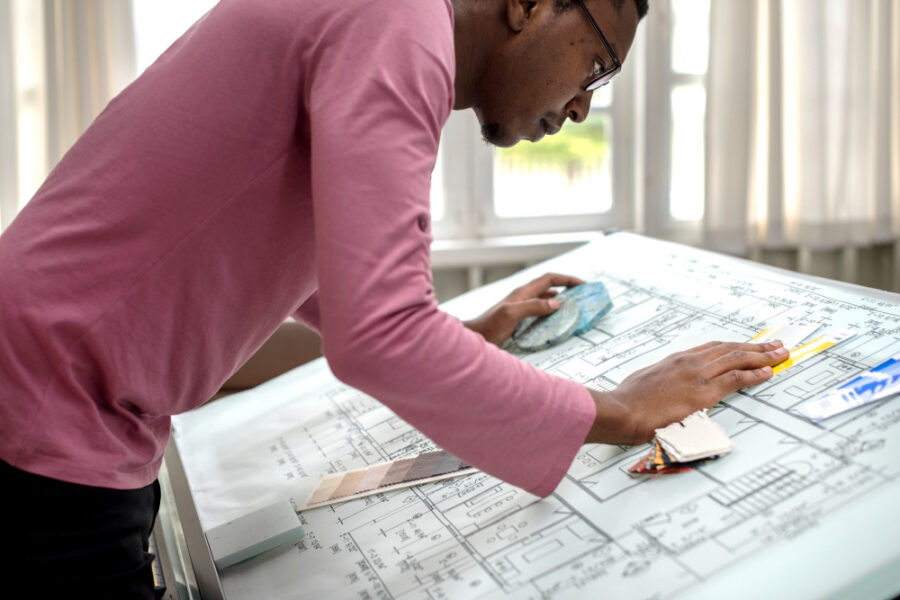
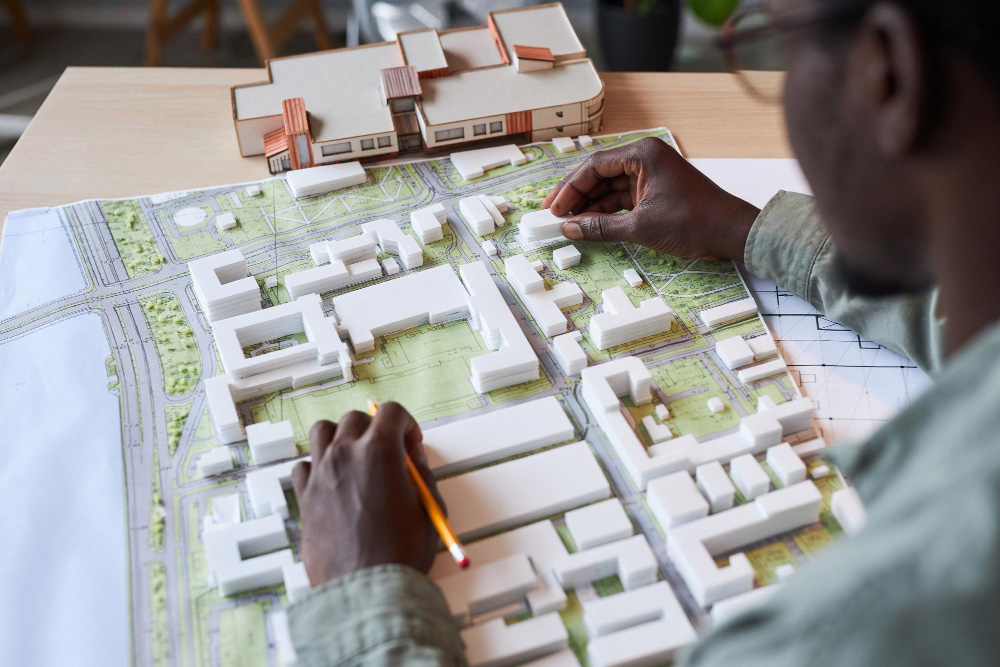
Architectural design matters before construction begins because it gives the whole project a clear direction. It helps define how the space will look, how it will function, and how each part of the project should be planned before site work starts.
Without proper design, construction can become confusing, expensive, and difficult to manage. A strong architectural plan helps reduce mistakes, improve coordination, and support better decisions from the first stage.
What Is Architectural Design?
Architectural design is the process of planning the form, layout, function, and appearance of a building or space. It connects the client’s needs with practical design solutions, technical requirements, and construction possibilities.
This stage usually includes space planning, concept development, drawings, layout studies, materials direction, and coordination with engineering needs. It helps turn an idea into a clear plan that can be reviewed, improved, and prepared for execution.
Why Architectural Design Should Come First
Architectural design should come before construction because it sets the foundation for the whole project. It helps the client and project team understand what will be built, how the space will be used, and what decisions need to be made before work begins.
When design is handled early, the construction process becomes more organized. The team can plan the budget, timeline, materials, structure, and site work with more clarity.
- It gives the project a clear direction.
- It helps reduce changes during construction.
- It supports better budget and material planning.
- It improves coordination between design and execution teams.
It Helps Avoid Costly Mistakes
One of the main benefits of architectural design is mistake prevention. Poor planning can lead to layout problems, wrong measurements, unclear details, or changes after construction has already started.
These mistakes can increase costs and delay the project. A clear design helps identify problems early, when they are easier and less expensive to fix.
It Improves Space Function
A good building is not only about appearance. It must also work well for the people who use it. Architectural design helps organize rooms, circulation, light, storage, access, privacy, and comfort.
Good space planning makes daily use easier. Whether the project is residential, commercial, or renovation-related, the layout should support the purpose of the space.
It Supports Better Budget Planning
Architectural design helps clients understand the project before major spending begins. When the design is clear, it becomes easier to estimate materials, finishes, labor, and construction needs.
This does not remove all unexpected costs, but it gives the project a stronger financial direction. It also helps clients make better choices between design ideas, budget limits, and project priorities.
It Makes Construction Easier To Manage
Construction teams need clear plans to work correctly. Architectural drawings and design details help contractors, engineers, suppliers, and site teams understand what needs to be done.
When the design is unclear, teams may interpret the work differently. This can create delays, repeated work, and confusion on site. A strong design helps everyone follow the same direction.
It Connects Design With Engineering
Architectural design must work with engineering requirements. A beautiful idea still needs to be safe, realistic, and possible to build.
Good coordination between architecture and engineering helps the project avoid conflicts between layout, structure, electrical work, plumbing, materials, and site conditions. This makes the final result more practical and reliable.
It Helps Clients Visualize The Final Result
Many clients have ideas, but they may not know how those ideas will look in real space. Architectural design helps turn these ideas into drawings, layouts, and visual directions.
This makes decision-making easier. Clients can review the design, request adjustments, and understand the final direction before construction begins.
It Adds Long-Term Value
Good architectural design can improve the long-term value of a property. A well-planned space is easier to use, more attractive, and better adapted to the needs of its users.
For real estate projects, renovation work, or commercial spaces, thoughtful design can also improve market appeal and future flexibility.
How XBTP Supports Architectural Design
XBTP supports clients with architectural design services that focus on practical planning, clear layouts, and smart coordination before construction starts. We aim to create spaces that are functional, realistic, and ready for proper execution.
Our approach connects design thinking with engineering knowledge, construction experience, and project management. This helps clients move from concept to construction with more confidence and fewer unclear decisions.
FAQs About Architectural Design Before Construction
Why Is Architectural Design Important Before Construction?
Architectural design is important because it gives the project a clear plan before site work begins. It helps control layout, function, budget, materials, and construction direction.
Can Construction Start Without Architectural Design?
Construction can begin without proper design, but it increases the risk of mistakes, delays, unclear decisions, and extra costs during execution.
What Does Architectural Design Include?
Architectural design can include space planning, layout development, concept design, drawings, material direction, and coordination with engineering requirements.
How Does Design Help Control The Budget?
Design helps define the project scope, materials, finishes, and construction needs. This makes budget planning more realistic before major work begins.
When Should Architectural Design Start?
Architectural design should start at the beginning of the project, before construction, material orders, or site execution decisions are made.