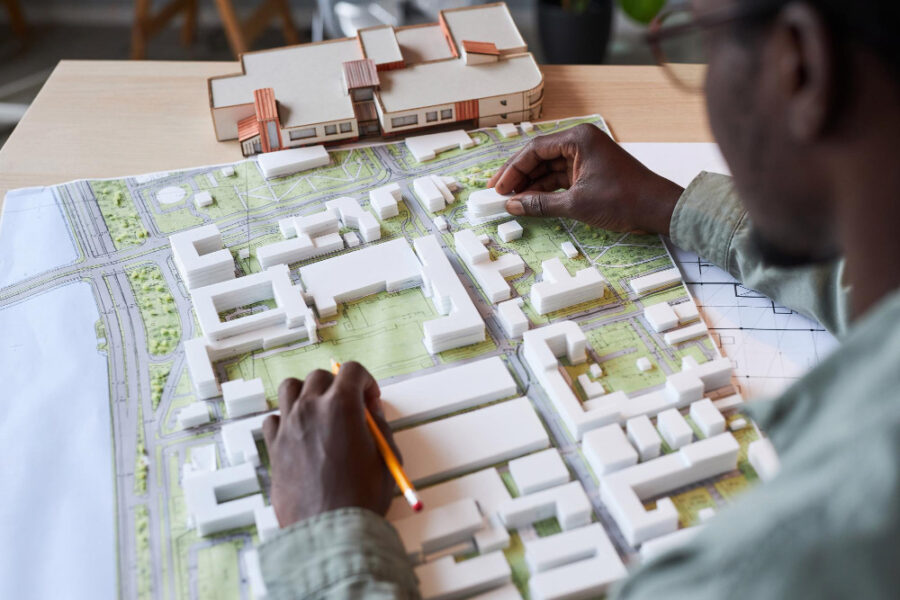
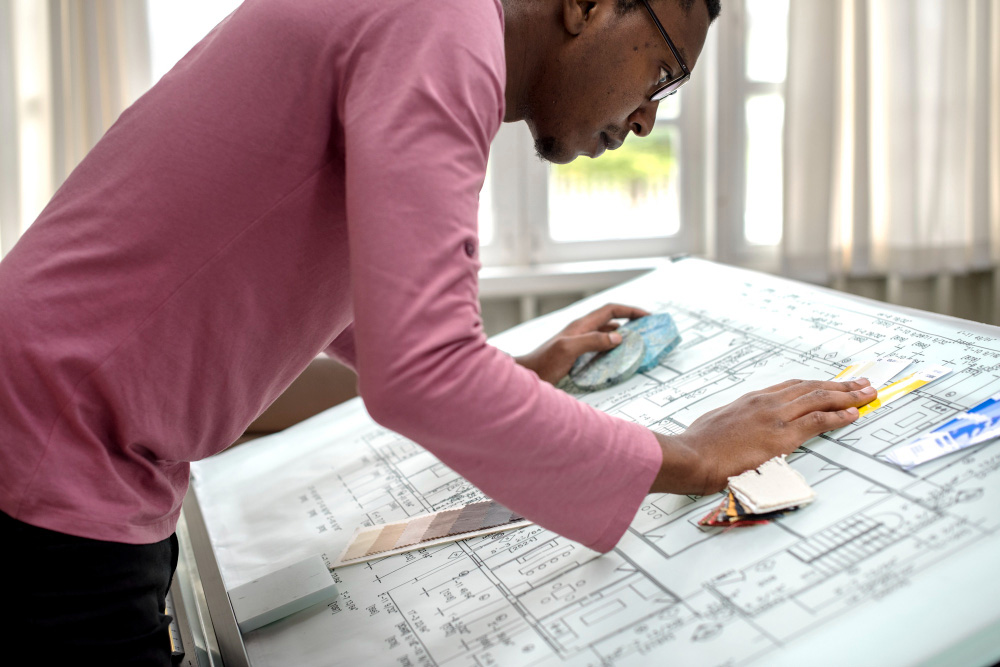
Planning a construction project from start to finish is not only about starting work on site. It is about making the right decisions before the first task begins. A clear plan helps control time, budget, materials, teams, and quality.
Whether the project is residential, commercial, or renovation-related, the same idea applies. Good planning reduces confusion, limits delays, and gives every stage a clear direction.
Start With A Clear Project Goal
Every construction project should begin with a clear goal. The client, designer, engineer, and project team need to understand what the project is expected to achieve.
This step includes defining the type of project, the expected use of the space, the main needs, and the desired final result. Without this direction, decisions can become unclear later.
- Define the project purpose.
- List the main requirements.
- Set the expected result.
- Identify the project priorities.
Prepare The Initial Budget
A construction budget should be planned early. It gives the project a financial limit and helps guide decisions about design, materials, finishes, labor, and timing.
The budget should also include a margin for unexpected changes. Construction projects can face hidden site issues, material price changes, or extra technical needs. A realistic budget makes the process easier to manage.
Choose The Right Design And Engineering Team
The design and engineering stage shapes the full project. Architectural design, technical drawings, structural planning, and engineering details help turn the idea into a buildable plan.
This stage should not be rushed. A strong design helps avoid mistakes during construction and gives the site team a clear reference for execution.
- Architectural layout and space planning
- Structural and technical coordination
- Material and finishing direction
- Design review before execution
Review Permits And Legal Requirements
Before construction starts, the project may need permits, approvals, or technical documents, depending on the location and project type. This step helps avoid legal issues or interruptions during work.
The client and project team should check what is required before site work begins. Missing documents can delay the project and create unnecessary costs.
Create A Construction Timeline
A construction timeline organizes the work into clear stages. It helps the team understand what should happen first, what depends on another task, and when each phase should be completed.
The timeline should be realistic. It should include design approval, material selection, site preparation, construction work, finishing, inspections, and final handover.
Select Materials And Finishes Early
Materials and finishes affect the budget, delivery time, site coordination, and final look of the project. Choosing them early helps avoid delays during execution.
This includes items such as flooring, doors, paint, lighting, sanitary fixtures, tiles, exterior materials, and other finishing details. Early decisions help the team order materials on time and keep the project moving.
Prepare The Site Before Work Starts
Site preparation is an important step before construction begins. The site should be checked, cleared, organized, and ready for safe work.
This stage may include site inspection, access planning, temporary utilities, storage areas, safety measures, and coordination with suppliers or contractors.
Coordinate The Construction Team
Construction work involves several teams. Each one has a role, and poor coordination can lead to delays, repeated work, and mistakes.
Good coordination connects engineers, contractors, suppliers, workers, and the client. Everyone should understand the plan, the timeline, and the quality expectations.
Monitor Quality During Execution
Quality should be checked during the work, not only at the end. Regular follow-up helps identify problems early and fix them before they become costly.
Quality control includes checking materials, workmanship, measurements, finishing details, and site progress. It also helps confirm that the work follows the approved drawings and project requirements.
Manage Changes Carefully
Changes can happen during construction. A client may request a design adjustment, or the site may reveal a technical issue. What matters is how these changes are handled.
Each change should be reviewed before approval. The team should check how it affects cost, time, materials, and other project stages. This keeps the project under better control.
Complete The Final Inspection And Handover
Before the project is delivered, the team should inspect the work carefully. This step helps identify any final corrections, unfinished details, or quality issues.
After the inspection, the project can move to handover. A clear handover gives the client confidence that the work has been completed according to the agreed scope.
FAQs About How To Plan A Construction Project From Start To Finish
What Is The First Step In Planning A Construction Project?
The first step is to define the project goal, main requirements, budget direction, and expected final result.
Why Is Planning Important Before Construction Starts?
Planning helps reduce delays, control costs, organize teams, and avoid unclear decisions during execution.
When Should Materials Be Selected?
Materials should be selected early, before site work reaches the stage where they are needed.
Who Should Manage A Construction Project?
A construction project should be managed by a team with experience in planning, site coordination, quality control, and project follow-up.
What Happens During Final Handover?
During final handover, the completed work is reviewed, final corrections are checked, and the project is delivered to the client.